



peptides
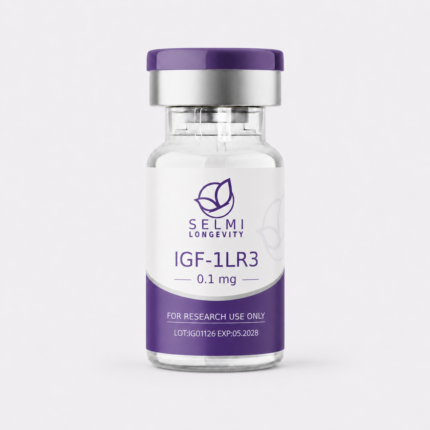
IGF-1 LR3
FOR PRECLINICAL RESEARCH USE ONLY — NOT APPROVED FOR HUMAN USE.
- Powerful anabolic effect: muscle hypertrophy and hyperplasia.
- Improved protein synthesis and nitrogen retention.
- Improved glucose utilization and fat oxidation.
- Accelerated injury healing and tissue regeneration.
- Extended half-life that allows for once-daily dosing.
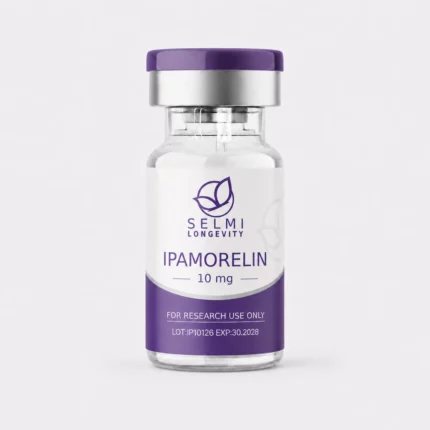
Ipamorelin
FOR PRECLINICAL RESEARCH USE ONLY — NOT APPROVED FOR HUMAN USE.
- A clean GH surge with no side effects associated with cortisol or prolactin.
- Increased lean muscle mass and fat loss.
- Improved sleep quality and recovery.
- Regulation of intestinal motility, with application in ileus.
- Ideal for long-term use due to its selectivity profile.
- Reference for use in combination with CJC-1295 without DAC.
New
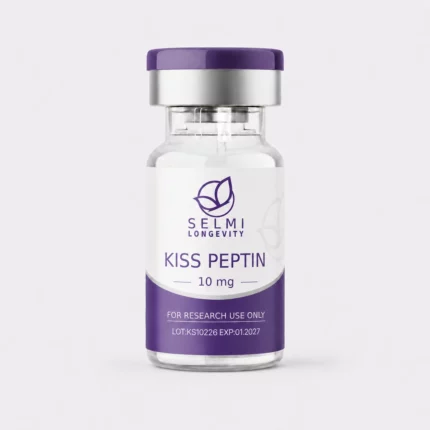
Kisspeptin
FOR PRECLINICAL RESEARCH USE ONLY — NOT APPROVED FOR HUMAN USE.
- It stimulates the LH surge to optimize testosterone levels in men.
- Activation of the HPG axis without suppression by exogenous testosterone.
- Improvement of libido via the central dopaminergic pathway.
- Supporting fertility through GnRH pulse restoration.
- Potential in hypogonadotropic hypogonadism.
- Emerging: Support for cardiac collagen and neuroprotection.
New
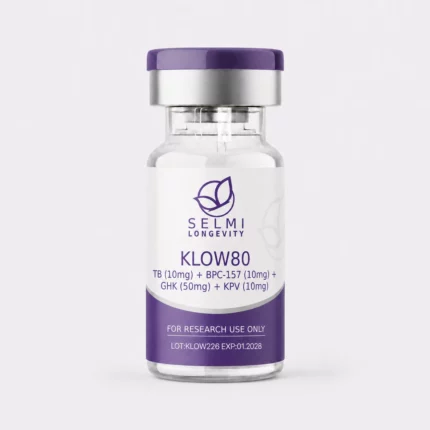
KLOW80: TB (10 mg) + BPC-157 (10 mg) + GHK (50 mg) + KPV (10 mg)
FOR PRECLINICAL RESEARCH USE ONLY — NOT APPROVED FOR HUMAN USE.
- Comprehensive protocol for tissue regeneration and repair.
- Simultaneous anti-inflammatory and tissue-repairing effects.
- GHK-Cu provides systemic anti-aging and cosmetic benefits.
- KPV targets intestinal inflammation and immune regulation.
- The convenience of a single channel for comprehensive protocols.
New
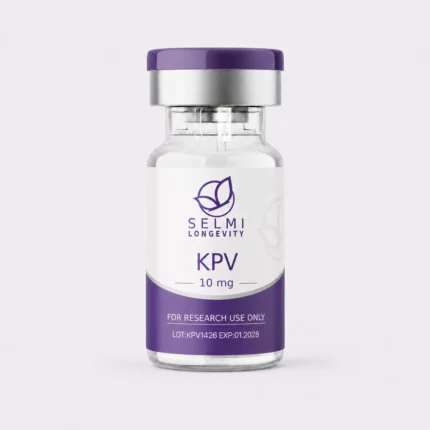
KPV
FOR PRECLINICAL RESEARCH USE ONLY — NOT APPROVED FOR HUMAN USE.
- Powerful anti-inflammatory action in the intestines for IBD, Crohn's disease, and colitis.
- Restoration of intestinal barrier function in intestinal permeability protocols.
- Systemic anti-inflammatory effect without immunosuppression.
- Supports healing and reduces skin inflammation.
- Oral bioavailability for administration targeted at the gastrointestinal tract.
- Safe: extremely low molecular weight and no systemic toxicity.
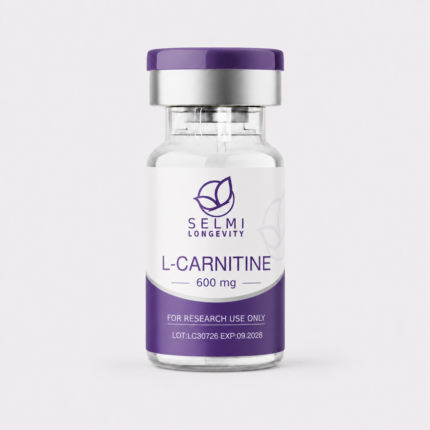
L-carnitine
FOR PRECLINICAL RESEARCH USE ONLY — NOT APPROVED FOR HUMAN USE.
- Improved fat oxidation and energy production.
- Improved exercise performance and reduced fatigue.
- Cardiovascular health: reduces markers of atherosclerosis.
- Improving Insulin Sensitivity in Research on Type 2 Diabetes Mellitus.
- Male Fertility: Sperm Motility and Improved Sperm Count.
- Neuroprotective, with a preference for the acetyl-L-carnitine form for the CNS.
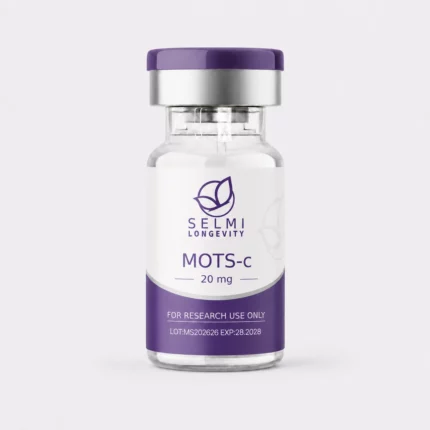
MOTS-c
FOR PRECLINICAL RESEARCH USE ONLY — NOT APPROVED FOR HUMAN USE.
- AMPK-mediated metabolic improvements, including glucose and fat utilization.
- Mimetic properties of exercise.
- Anti-inflammatory and anti-aging effects.
- Supports bone metabolism through osteoblastic activity.
- Protection against age-related physical decline.
- Potential for research on T2DM and obesity management.
New
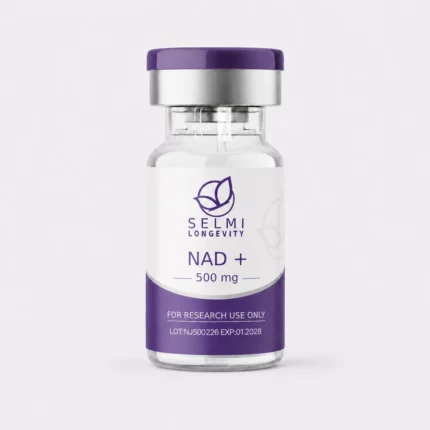
NAD+
FOR PRECLINICAL RESEARCH USE ONLY — NOT APPROVED FOR HUMAN USE.
- Optimization of cellular energy and efficiency in ATP production.
- Activation of sirtuins for the epigenetic regulation of longevity.
- Repair of DNA damage through PARP activation.
- Improved mitochondrial biogenesis.
- Cognitive clarity and support for neurological function.
- Applications in research on addiction and depression.
New
PNC-27
FOR PRECLINICAL RESEARCH USE ONLY — NOT APPROVED FOR HUMAN USE.
- Selective destruction of cancer cells without harming normal cells.
- Activity against breast, ovarian, cervical, and pancreatic cancer cell lines.
- A novel mechanism that differs from conventional chemotherapy.
- Potential to circumvent resistance mechanisms.
New
PT-141
FOR PRECLINICAL RESEARCH USE ONLY — NOT APPROVED FOR HUMAN USE.
- Improved sexual desire in men and women.
- Improvement of erectile function via the central nervous system.
- Approved by the FDA for HSDD in premenopausal women as Vyleesi.
- Effective in patients who do not respond to PDE5 inhibitors.
- It can be used as needed, 45–90 minutes before the activity.
New
PTD-DBM
FOR PRECLINICAL RESEARCH USE ONLY — NOT APPROVED FOR HUMAN USE.
- Hair follicle regeneration through activation of the Wnt signaling pathway.
- Prevention of hair follicle miniaturization.
- Wound-induced capillary neogenesis.
- Topical administration using a noninvasive approach.
- Synergy with minoxidil and finasteride in combination regimens.
New
Retatrutide 10 mg
FOR PRECLINICAL RESEARCH USE ONLY — NOT APPROVED FOR HUMAN USE.
- Body weight reduction of up to 24% in Phase II trials; the most potent in its class.
- Greater reduction in body fat compared to tirzepatide.
- Improved glycemic control through multiple mechanisms.
- Improvement in cardiovascular risk factors.
- Potential for treating NASH and reducing liver fat.