Scientific research

Research Peptides: Molecular Precision, Science, and New Areas of Study

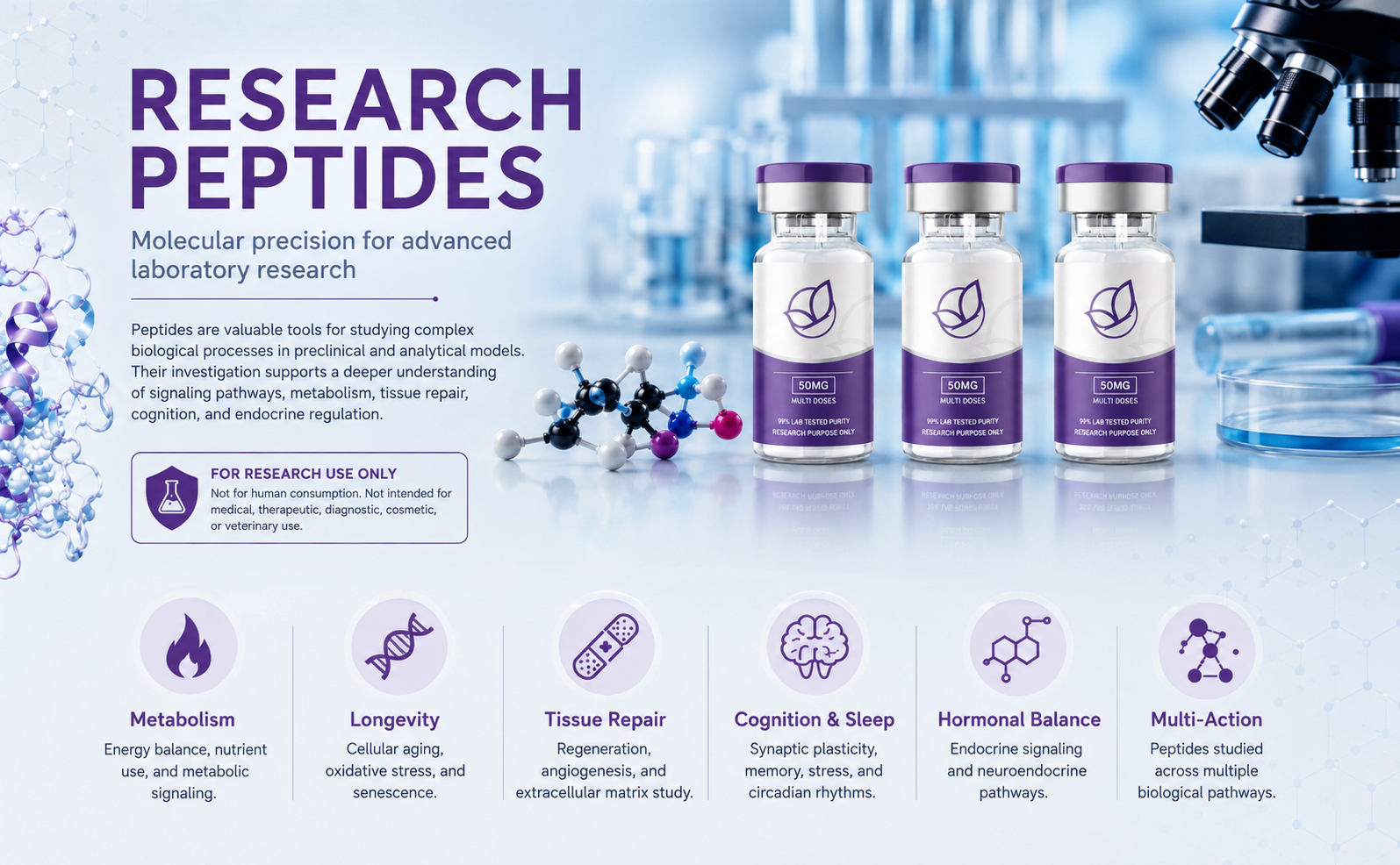
Selmi Research Peptides: Molecular Precision for Advanced Laboratory Research

Peptides have become one of the most dynamic areas of contemporary biomedical research. Their ability to participate in molecular signaling processes, interact with specific receptors, and replicate certain sequences found in natural proteins has sparked interest among laboratories, universities, and specialized centers around the world.

Currently, research on peptides spans fields as diverse as metabolism, tissue repair, cellular aging, hormonal signaling, sleep, and neuroscience.

However, it is essential to distinguish between peptides used as research materials and peptide-based drugs that have undergone clinical and regulatory review. A compound studied in cellular, biochemical, or animal models cannot automatically be considered safe, effective, or suitable for use in humans.

At Selmi Swiss, the products in the peptides category are intended exclusively for preclinical research, laboratory testing, and analytical applications. They are not intended for human consumption or for medical, therapeutic, diagnostic, cosmetic, or veterinary uses.

1. What are peptides?

Peptides are molecules composed of chains of amino acids linked by peptide bonds.

Amino acids are also the building blocks of proteins. The difference between the two concepts lies mainly in the length and complexity of the chain: peptides typically contain shorter sequences, while proteins have larger structures and three-dimensional organization.

Within biological systems, numerous peptides act as:

  • signaling molecules,
  • hormonal messengers,
  • cellular response mediators,
  • regulators of metabolic processes,
  • components of immune mechanisms,
  • ligands capable of interacting with specific receptors.

This ability to recognize specific biological targets accounts for much of its scientific interest.

Unlike small molecules with a broader range of activity, some peptides can be designed or selected to interact with a specific molecular pathway. This potential selectivity makes them particularly useful tools for studying biological mechanisms under controlled conditions.

2. Why are peptides of such scientific interest?

Modern research seeks to understand not only what happens inside a cell, but also what signals trigger each response and how they can be studied in a reproducible manner.

Peptides may be useful in this context because they allow us to investigate:

  • the activation or inhibition of receptors,
  • the communication pathways between cells,
  • the regulation of certain enzymes,
  • gene and protein expression,
  • the processes of inflammation and repair,
  • energy metabolism,
  • cell differentiation, proliferation, or survival.

Pharmacological research also investigates peptides as potential starting points for developing new molecules. There are peptide-based drugs used in specific clinical settings, but each one has required separate processes of characterization, preclinical testing, clinical trials, and regulatory evaluation.

Recent scientific reviews highlight both the potential of these molecules and their limitations, including their stability, enzymatic degradation, half-life, and the difficulty of effectively administering certain sequences.

Therefore, it would be scientifically incorrect to refer to “peptides” as if they all had the same properties. Each sequence has a different structure, mechanism, and level of evidence.

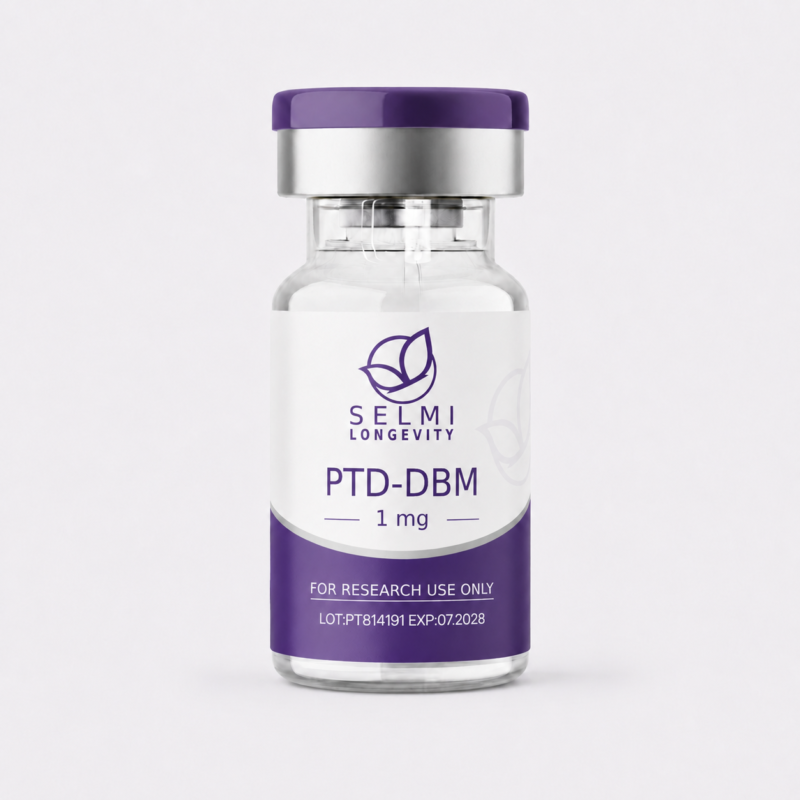
PTD-DBM

FOR PRECLINICAL RESEARCH USE ONLY — NOT APPROVED FOR HUMAN USE.
  • Hair follicle regeneration through activation of the Wnt signaling pathway.
  • Prevention of hair follicle miniaturization.
  • Wound-induced capillary neogenesis.
  • Topical administration using a noninvasive approach.
  • Synergy with minoxidil and finasteride in combination regimens.

Tesamorelin

199,95 
FOR PRECLINICAL RESEARCH USE ONLY — NOT APPROVED FOR HUMAN USE.
  • FDA Approves Treatment to Reduce Visceral Fat Associated with HIV.
  • Significant reduction in visceral fat in clinical trials.
  • Improvement in lipid profile and metabolic health.
  • Preservation of GH's natural pulsatile physiology.
  • Cognitive Benefits: IGF-1 Modulation in Research on Mild Cognitive Impairment.

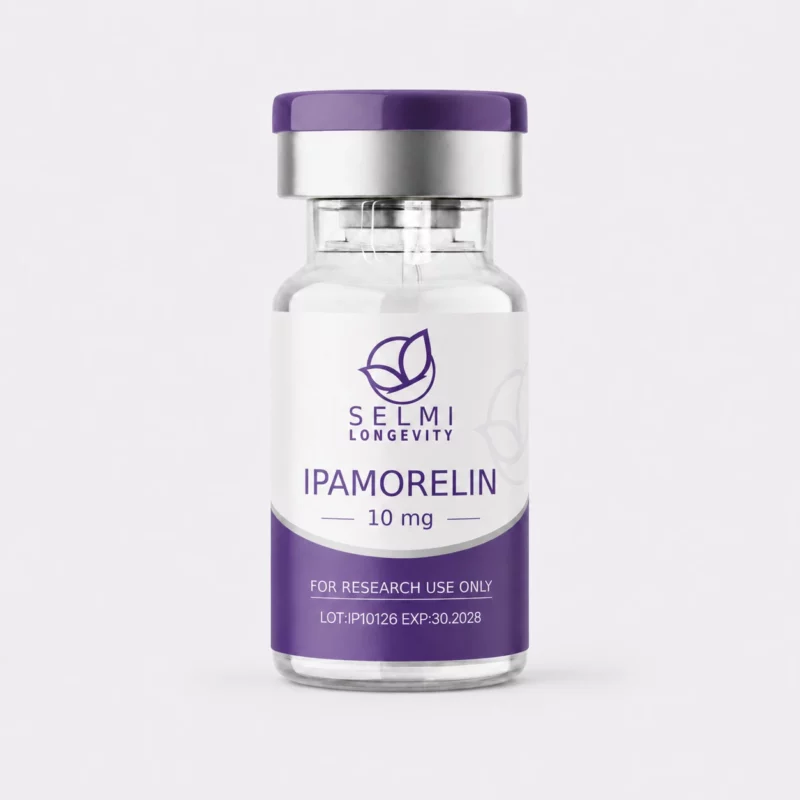
Ipamorelin

FOR PRECLINICAL RESEARCH USE ONLY — NOT APPROVED FOR HUMAN USE.
  • A clean GH surge with no side effects associated with cortisol or prolactin.
  • Increased lean muscle mass and fat loss.
  • Improved sleep quality and recovery.
  • Regulation of intestinal motility, with application in ileus.
  • Ideal for long-term use due to its selectivity profile.
  • Reference for use in combination with CJC-1295 without DAC.

AOD-9604

FOR PRECLINICAL RESEARCH USE ONLY — NOT APPROVED FOR HUMAN USE.
  • Targeted fat loss without IGF-1-mediated growth effects.
  • No effect on blood glucose or insulin sensitivity.
  • Fat reduction is well tolerated in patients with metabolic disorders and diabetes.
  • It supports body recomposition when combined with exercise.
  • Being investigated for cartilage repair (TGA approval in Australia for OA).

3. Main Areas of Peptide Research

Selmi Swiss's catalog of research peptides is organized into different categories based on the biological pathways or experimental models in which each compound is typically studied.

This classification makes it easier to find materials related to a specific area of research, but it does not imply that all products within the same category share the same mechanism of action or the same level of evidence.

(a) Obesity and Metabolism

Energy metabolism is one of the areas that has received the most attention in recent years.

Within this research area, studies are conducted on signals related to:

  • glucose utilization,
  • cellular sensitivity to certain hormones,
  • the regulation of adipose tissue,
  • lipid oxidation,
  • mitochondrial activity,
  • energy consumption and storage,
  • communication between the digestive system, adipose tissue, and the brain.

Some of the most significant advances in metabolic pharmacology have emerged precisely from the study of hormones and peptides involved in the regulation of glucose and appetite. This does not mean that every compound marketed as a research material has a proven medical application.

The results obtained with a specific molecule cannot be extrapolated to other sequences simply because they belong to a similar metabolic category.

(b) Longevity and Anti-Aging

Research on longevity is not solely aimed at prolonging the life of an organism. It also seeks to understand the mechanisms involved in cellular aging and the progressive loss of tissue function.

The processes studied include:

  • oxidative damage,
  • DNA stability,
  • mitochondrial function,
  • cellular senescence (a damaged cell that stops dividing but remains active and can cause interference),
  • epigenetic regulation,
  • cell-to-cell communication,
  • the synthesis and degradation of extracellular matrix components,
  • circadian rhythms (the body's natural clock, which regulates sleep, energy, and other functions throughout the day).

Some peptides are being studied as tools to observe how these mechanisms change in experimental models. However, the results obtained in cell cultures or animal studies do not, on their own, demonstrate an anti-aging effect in humans.

Longevity is a multifactorial process and does not depend on a single molecule or metabolic pathway.

(c) Tissue healing and repair

When tissue is damaged, the body triggers a coordinated series of processes that includes inflammation, cell migration, the formation of new blood vessels, collagen production, and remodeling of the extracellular matrix.

The peptides used in this field can be studied for their potential interaction with processes such as:

  • cell proliferation,
  • angiogenesis (the formation of new blood vessels),
  • the structure of collagen,
  • the inflammatory response,
  • the regeneration of connective tissues,
  • signaling between damaged cells,
  • nerve regeneration.

The term “repair” must always be interpreted within an experimental context. An activity observed in a biochemical assay or in an animal model does not equate to a clinically demonstrated ability to treat lesions.

(d) Cognition and Sleep

The brain uses numerous neuropeptides to coordinate functions such as the sleep-wake cycle, the stress response, memory, attention, and communication between different regions of the nervous system.

In the preclinical setting, peptides related to the following are being studied:

  • circadian rhythms,
  • The Architecture of Dreams,
  • the neuroendocrine response to stress,
  • neural transmission,
  • synaptic plasticity (the ability of the brain's connections to strengthen, weaken, or reorganize themselves through learning and experience),
  • certain models of memory and learning,
  • cell protection against various forms of experimental stress.

The complexity of the nervous system requires that these studies be interpreted with particular caution. Results may vary depending on the species, the experimental model, the concentration, the route of exposure, and the parameters used to measure the response to treatment.

(e) Hormonal balance

Many natural hormones have a peptide structure or are regulated by peptide signals.

These molecules play a role in systems such as:

  • the hypothalamic-pituitary axis,
  • reproductive function,
  • the release of growth hormone,
  • glucose regulation,
  • thyroid function,
  • the stress response,
  • communication between endocrine organs.

Peptides in this category make it possible to study the interaction between signals, receptors, and hormonal responses in controlled models.

They should not be interpreted as products intended to alter a person’s hormonal balance. Disruption of an endocrine pathway can simultaneously affect numerous organs and systems; therefore, any clinical application requires a specific medical and regulatory evaluation.

(f) Multi-action peptides

Some formulations combine several sequences or are studied in relation to different biological pathways.

These combinations can be used to analyze:

  • possible interactions between signals,
  • complementary or antagonistic effects,
  • cellular responses dependent on various pathways,
  • multifactorial regeneration mechanisms,
  • changes in biological activity compared to the isolated components.

A combination is not necessarily more effective simply because it contains more compounds. It can lead to interactions that are difficult to predict and requires appropriate experimental controls to distinguish the contribution of each component.

Caution
On Quality and Reliability

"High purity alone guarantees the reliability of a peptide." [NOT ENOUGH]

The purity percentage is an important parameter, but it cannot be used on its own to assess the quality of a sample. Other factors that must also be considered include molecular identity, sequence integrity, the presence of degradation products, the actual amount of the compound, stability during storage, and lot traceability. To correctly interpret an experimental result, it is necessary to know both the purity and the analytical methods used to verify the sample.

4. What factors determine the quality of a research peptide?

In laboratory research, the reliability of the results depends largely on the identity, purity, stability, and traceability of the materials used.

Among the key factors to consider are:

(1) Molecular identity

It is necessary to confirm that the sequence obtained actually corresponds to the specified peptide.

(2) Purity

Purity indicates what proportion of the sample consists of the main compound and what amount may consist of byproducts, fragments, or impurities.

High purity alone does not guarantee that a product is suitable for any application, but it helps reduce variables that could interfere with an experiment.

(3) Amount and concentration

The reported amount must be consistent with the actual mass of the contents. Errors in concentration can significantly alter the results of a test.

(4) Stability

Peptides may be sensitive to:

  • the temperature,
  • humidity,
  • the light,
  • changes in pH,
  • oxidation,
  • the turmoil,
  • the activity of enzymes or microorganisms.

Transportation, storage, and handling conditions must be adapted to the characteristics of each sequence.

(5) Traceability

The lot identification allows a sample to be linked to its documentation, production date, and corresponding quality controls.

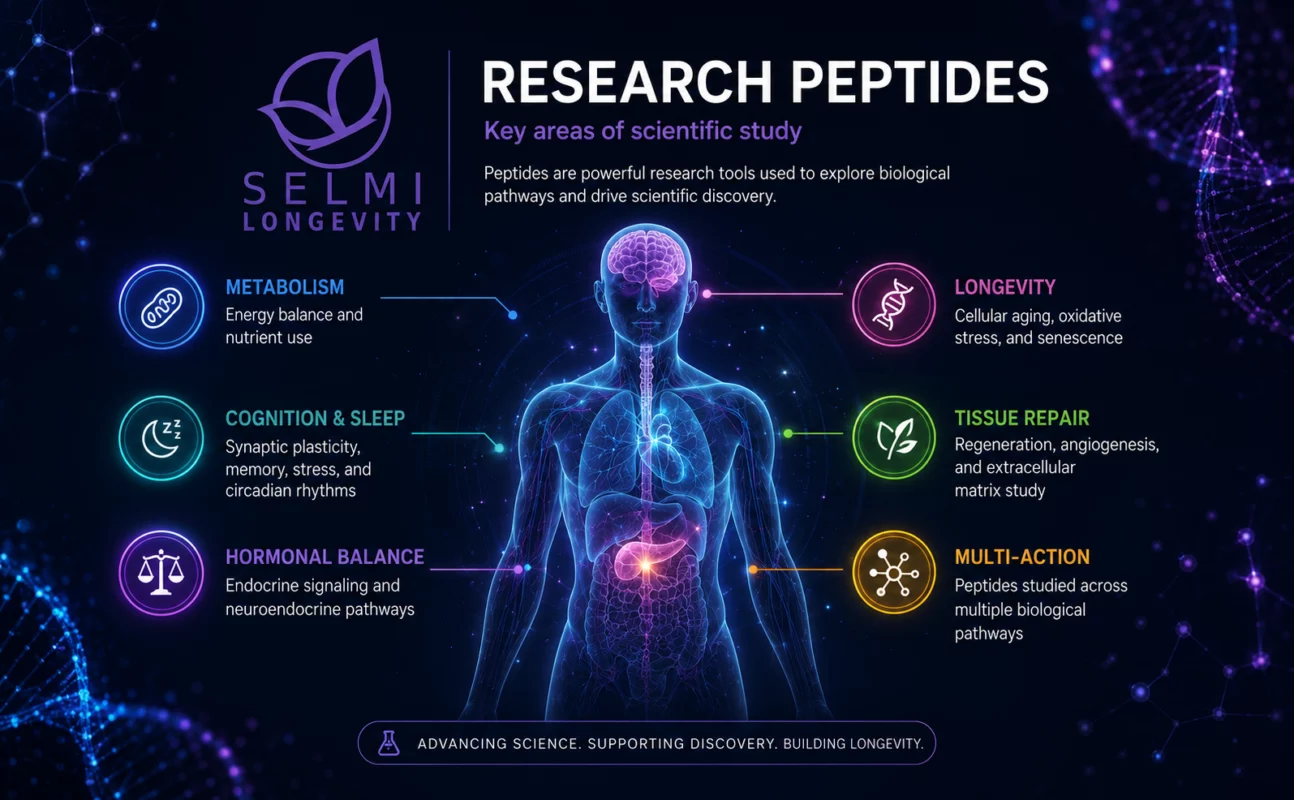
Selmi Research Peptides: Key Areas of Scientific Study

5. Common mistake: confusing research with clinical application

One of the most common mistakes is to interpret the results of preclinical research as if they were treatment recommendations.

They are not equivalent.

A result obtained in a cell line may not be reproducible in a whole organism. Similarly, an effect observed in animals may not occur in humans, or it may occur with a different intensity, toxicity, or mechanism.

For a molecule to be used as a drug, it must go through several phases:

  1. chemical and biological characterization,
  2. preclinical studies,
  3. toxicity assessment,
  4. controlled clinical trials,
  5. safety and efficacy analysis,
  6. authorization by the competent authorities,
  7. post-market surveillance.

The phrase “for research purposes only” does not classify a product as a drug or prove that it is safe for human consumption.

6. How to Select Materials for a Research Project

The selection of a peptide should always be based on a clear scientific question:

  • which molecular pathway you want to study,
  • What is the experimental model,
  • What level of purity is required,
  • which positive and negative controls will be used,
  • how the response will be measured,
  • What storage conditions does the molecule require,
  • What analytical documentation is available,
  • Which regulations apply?

The fact that a compound is popular on the Internet does not constitute scientific evidence.

Error
On Scientific Evidence

"A positive laboratory result demonstrates its effectiveness in humans." [NOT NECESSARILY]

Cell and animal studies allow us to explore biological mechanisms and formulate new hypotheses, but they do not, on their own, prove that a compound is safe or effective in humans. To establish a clinical application, controlled studies, toxicity assessments, clinical trials, and the corresponding regulatory approval are necessary.

7. A Field in Constant Evolution

The development of new techniques in synthesis, molecular screening, computational modeling, and structural analysis is rapidly expanding the possibilities of peptide research.

Science continues to explore new ways to:

  • improve its stability,
  • increase its selectivity;
  • direct them toward specific tissues,
  • control its release,
  • reduce its degradation,
  • combine them and design new sequences.

Recent research also examines peptide-drug conjugates, peptide-based vaccines, diagnostic tools, and targeted delivery platforms.

This progress makes it possible to study biological systems with greater precision, but it also requires greater rigor in the identification, handling, and interpretation of each compound.

8. Research Peptides at Selmi Swiss

Selmi Swiss offers a range of materials organized into the six major categories mentioned above:

  • obesity and metabolism;
  • longevity and anti-aging;
  • tissue healing and repair;
  • cognition and sleep;
  • hormonal balance;
  • multiple action.

Their structural diversity and their ability to interact with specific signaling mechanisms make them invaluable tools for studying metabolic, endocrine, neurological, and regenerative processes.

But its scientific potential must be accompanied by responsible interpretation.

Not all peptides have the same level of evidence. Preclinical results cannot be presented as proven medical benefits, and research materials should not be used outside of an appropriate experimental setting.

The true significance of peptides lies not in the oversimplified claims made about them, but in their ability to help formulate and answer increasingly precise scientific questions.

All products in this category are intended exclusively for research, laboratory analysis, and analytical applications. They are not intended for human consumption or for medical, therapeutic, diagnostic, cosmetic, or veterinary applications.