
Blog
How to Enhance Vitamin Absorption in Your Daily Diet
How to make the most of vitamins?
Consuming vitamins doesn't always guarantee that the body will utilize them to the fullest. The way we combine foods, the state of the digestive system, and certain habits influence their absorption. Here we show you how to optimize it.
1. Types of Vitamins and Their Absorption
Each vitamin has a different absorption process. Some need fats, while others dissolve in water and are not stored in the body.
Fat-soluble vitamins (A, D, E, and K)
- Require fat for absorption.
- Found in foods such as oils, avocados, and nuts.
Example: Vitamin D3 and K2 are better absorbed with a fat source.
Water-soluble vitamins (C and B group)
- Dissolve in water and are not stored in the body.
- It's better to distribute their consumption throughout the day.
Example: Vitamin C favors the absorption of vegetable iron and, together with selenium, participates in the protection against oxidative stress.
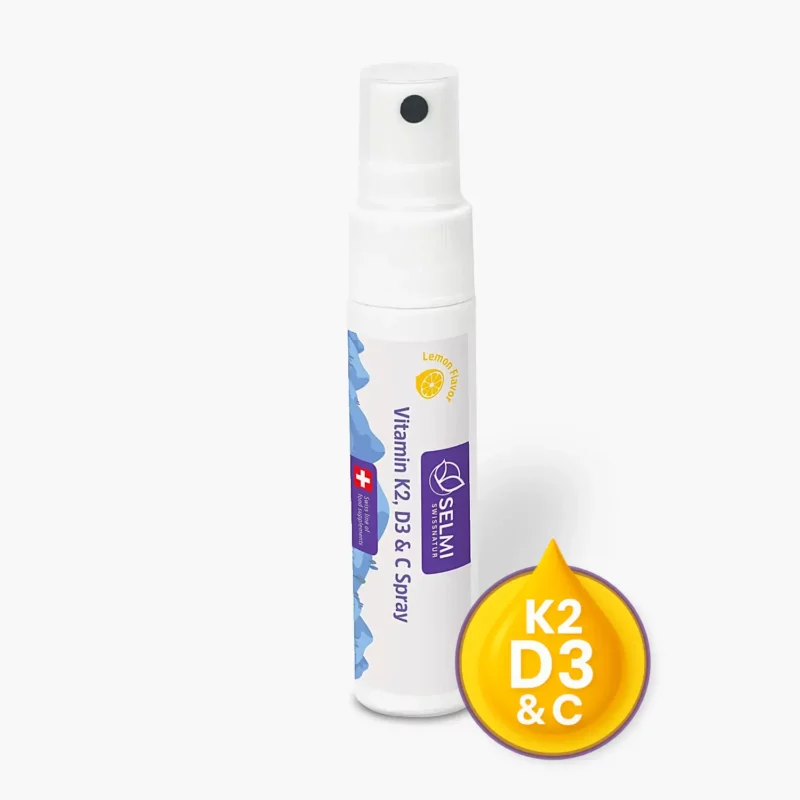
Vitamin K2, D3 and C Spray, 25 ml
- Bone and cardiovascular support: The combination of vitamins K2 and D3 contributes to the maintenance of strong bones and normal functioning of the cardiovascular system.
- Immune boost: Vitamin D3 and vitamin C work together to strengthen the body's defenses.
- Potent antioxidant: Vitamin C helps protect cells against oxidative damage.
- Easy to use: Spray format that facilitates dosing and improves nutrient absorption.
- Swiss Quality and Purity: Manufactured under strict quality controls to ensure its effectiveness and safety.
Vitamin B Complex Spray, 25 ml
Selenium Plus Spray, 25 ml
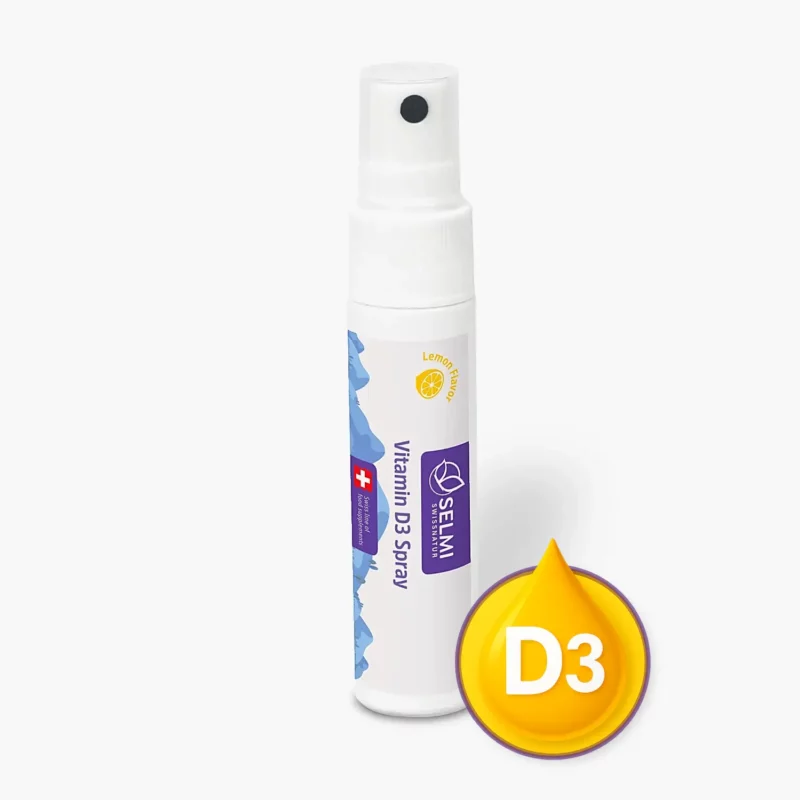
Vitamin D3 Spray, 25 ml
- Immune boost: Vitamin D3 and grapefruit seed extract help strengthen the body's defenses.
- Easy absorption: Quick-assimilating spray for better bioavailability and convenience in use.
- Antioxidant protection: With lemon extract and glycerin, it protects against oxidative damage.
- Hydration and well-being: Alpine spring water and glycerin for natural hydration.
- Safe and stable: Gum arabic and sunflower lecithin ensure optimal stability and preservation.
"Taking vitamin D upon waking up is enough to obtain its benefits." [FALSE]
Vitamin D needs fats for absorption. If you take it on an empty stomach or just with water, the body doesn't absorb it well. Take it with a meal containing healthy fats, like avocado or nuts.

2. Strategies to Improve Vitamin Absorption
Include Healthy Fats
Fat-soluble vitamins need fat to be assimilated. Adding olive oil, nuts, or oily fish to meals enhances their effectiveness.
Avoid Absorption Inhibitors
Some foods hinder the absorption of vitamins and minerals:
- Tannins and phytates (in coffee, tea, and whole grains) reduce iron and calcium absorption.
- Oxalates (in spinach and chard) affect calcium bioavailability.
Take Advantage of Synergistic Combinations
Certain nutrients improve absorption when combined:
- Vitamin C + plant iron → Increases bioavailability of non-heme iron.
- Vitamin D + calcium → Promotes bone mineralization.
- Vitamin B6 + magnesium → Supports muscle and nerve function.
Care for Gut Microbiota
A healthy digestive system improves nutrient assimilation. To strengthen it:
- Consume fermented foods like yogurt, kefir, or sauerkraut.
- Include prebiotic fiber (artichokes, green bananas, legumes).
"You should not mix calcium and magnesium because they compete with each other." [FALSE]
Although in excess they can interfere, calcium and magnesium work together in muscle and bone functions. The important thing is to maintain a proper balance in the diet and not exaggerate supplement doses.
2. Supplement Formats That Favor Absorption
When diet doesn't cover all needs, supplements can be an effective solution. However, the format in which they are presented influences their bioavailability.
Liquids or oral sprays → Are partially absorbed through the oral mucosa and the rest in the digestive tract. This format is useful for people with difficulty swallowing capsules and allows faster absorption compared to traditional tablets.
Softgels or oil-based capsules → Ideal for fat-soluble vitamins (A, D, E, K), as they come in an oil base that facilitates their absorption.
Combined formulas → Some supplements include strategic nutrient combinations, such as D3 with K2 or vitamin C with bioflavonoids, which enhance their absorption and efficacy.
Although there are cutaneous sprays (such as transdermal magnesium), most spray supplements are designed for oral use, as many vitamins do not cross the skin as effectively as other administration methods.
"Taking vitamins on an empty stomach increases their absorption." [NOT ALWAYS]
Some vitamins can irritate the stomach if taken without food, such as high doses of vitamin C or iron. Additionally, fat-soluble vitamins require fat. Read the supplement instructions and adjust it to your routine.